
In September 2025 I made a 1700-mile road trip through the U.S. Midwest, mostly as a passenger, as my wife prefers to drive! Flying from London to Chicago, we hired a car and drove west then south through Illinois and Missouri, via Kansas City, to Arkansas, then back north again via St. Louis, returning to Chicago.
The trip served multiple purposes: visiting family and friends along the way, ticking off bucket list art and architectural sites, and visiting more Route 66 attractions that we’d had a little taste of in California earlier in the year.
In reverse order, here are my top 12 favourite buildings we saw along the way. (Because I couldn’t narrow it down to 10!)
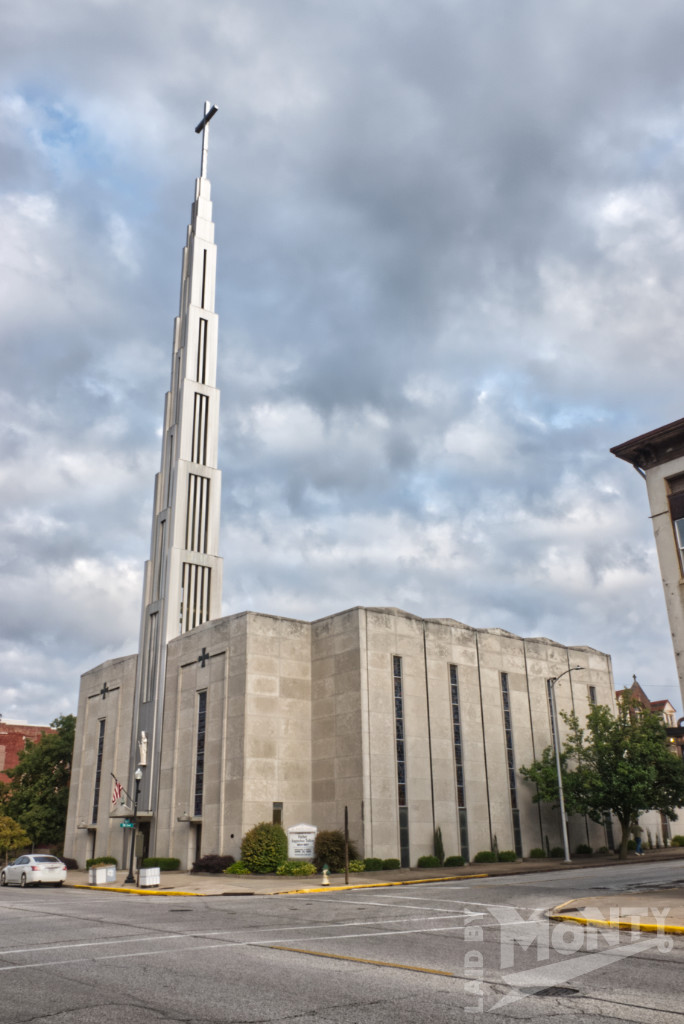
#12: St. Boniface Church, Quincy, Illinois
Thanks to my membership of the U.S. National Trust for Historic Preservation I knew about Quincy, Illinois, and planned a stop to see St. Boniface Church. What architecture aficionado could possibly resist going to see that epic spire? It was designed by locally renowned modernist architect John Beny and built in 1962. The building is unfortunately currently disused and was even considered for demolition.
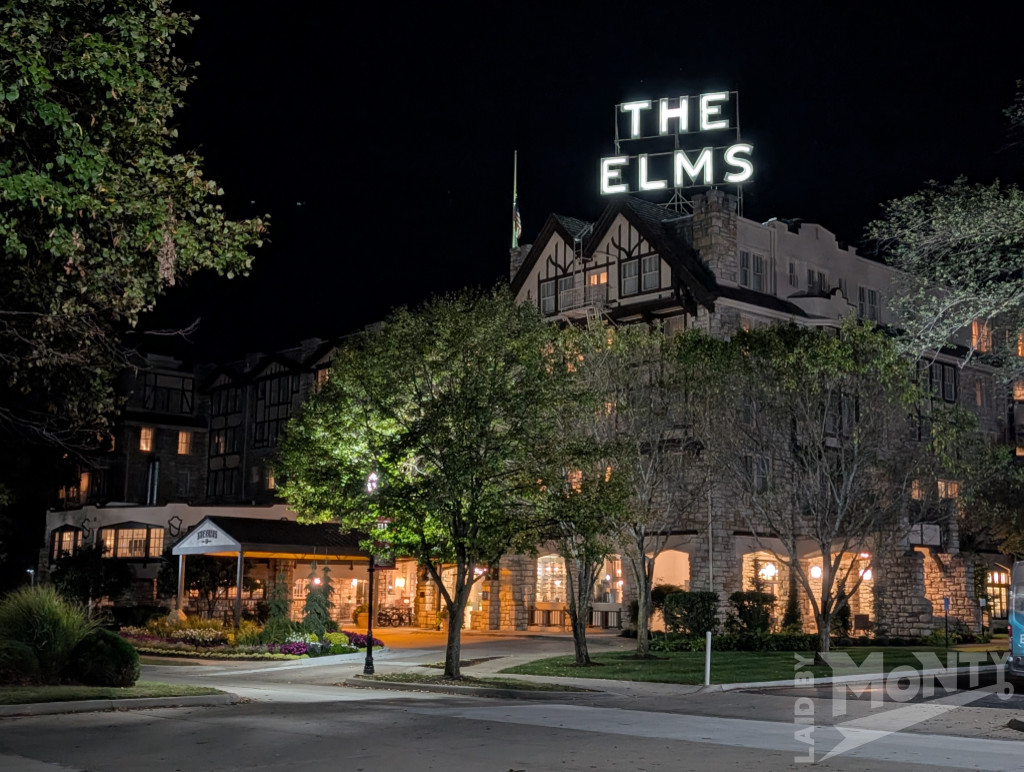
#11: The Elms Hotel & Spa, Excelsior Springs, Missouri
We stayed one night at The Elms Hotel & Spa in Excelsior Springs, Missouri. It was founded 1888 and rebuilt in 1908 and again in 1912 after two fires. A true “building with a story”, Al Capone reputedly held illegal gambling parties, and Harry S. Truman stayed here the night he was elected president of the United States. It’s listed on the U.S. National Register of Historic Places.
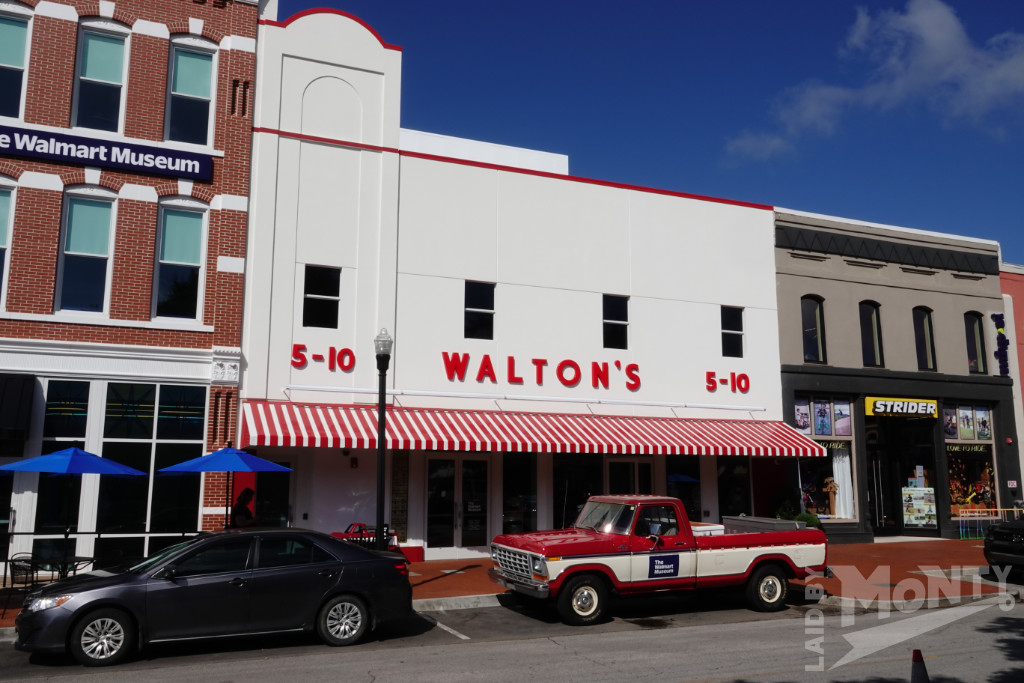
#10: The Walmart Museum, Bentonville, Arkansas
Sam Walton’s Five and Dime store opened in Bentonville, Arkansas, in 1950. It wasn’t his first business, and certainly wouldn’t be his last. He would go on to open the first Walmart (then styled “Wal-Mart”) in nearby Rogers in 1962. The Bentonville store has been beautifully restored as The Walmart Museum. I’m not a huge fan of megacorporations, but I do love a bit of retail history, and this building beautifully transports you back to a bygone age on Bentonville’s central square.
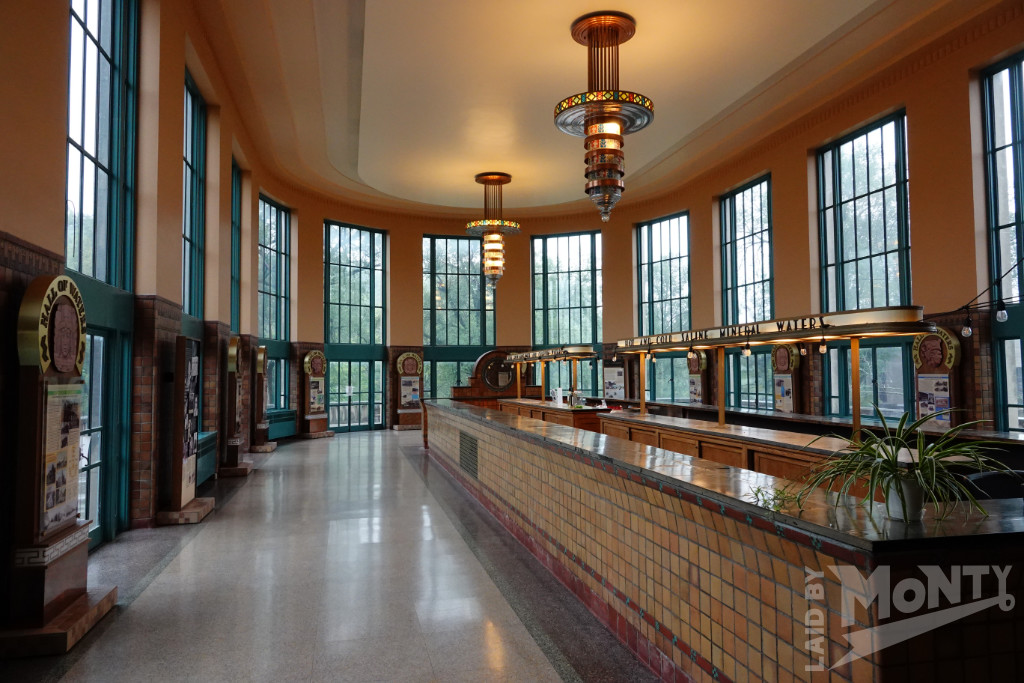
#9: Hall of Waters, Excelsior Springs, Missouri
The stunning Art Deco Hall of Waters is located in the centre of Excelsior Springs, a short distance from the Elms Hotel. It was designed by architects Keene & Simpson and built in 1936-37 as a Public Works Administration funded project to bottle and dispense the spring waters. Now part of City Hall, the glorious Mayan Revival Art Deco Hall of Waters is open to the public and contains a small exhibition. It’s listed on the National Register of Historic Places.
#8: Cooper Chapel, Bella Vista, Arkansas
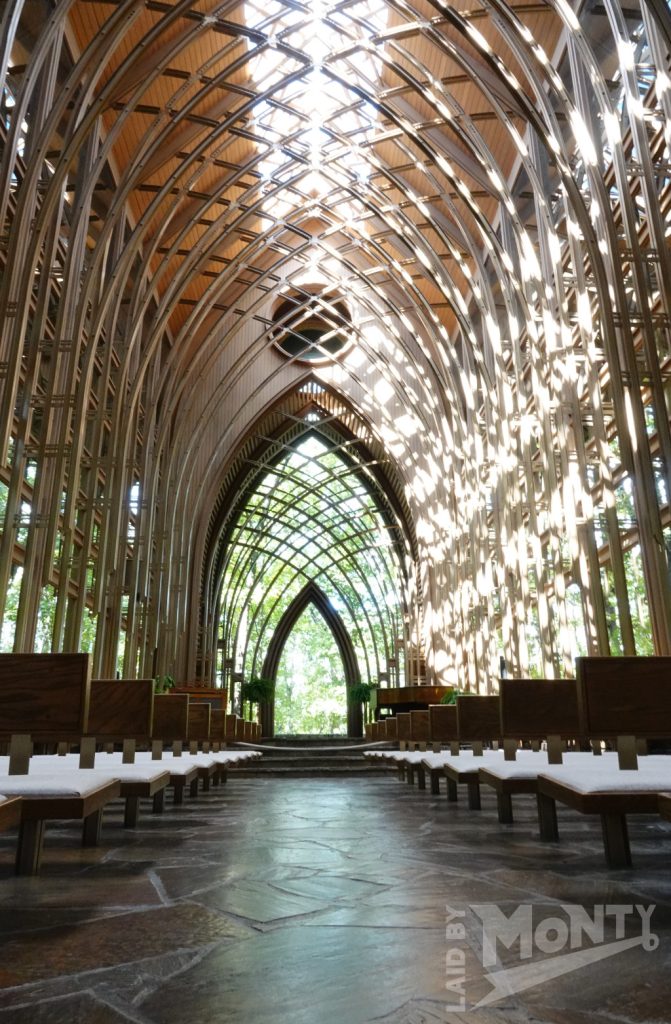
The 1988 Mildred B. Cooper Memorial Chapel in Bella Vista, Arkansas, was designed by E. Fay Jones. Jones was an apprentice of Frank Lloyd Wright; the only one to receive the American Institute of Architects Gold Medal. He also designed the similar Thorncrown Chapel in Eureka Springs that’s more well-known and listed on the National Register of Historic Places.
Both chapels are beautiful spaces that merge outdoors with indoors by making the walls disappear. We visited both, but were the only visitors at the time we visited Cooper Chapel, and we could take as many photos as we liked, which made it a more enjoyable experience.
#7: Dana-Thomas House, Springfield, Illinois
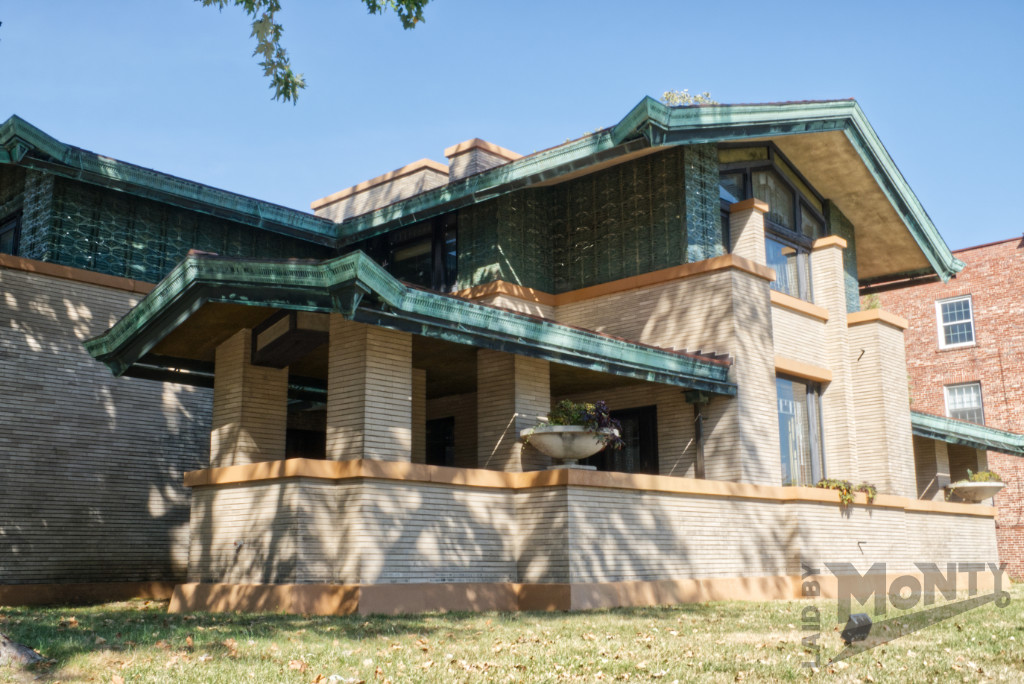
Frank Lloyd Wright’s Dana-Thomas House was built in 1902-04, making it a staggering 125 years old; hard to believe for a building that looks so modern. Photography is not allowed inside, but the memory has stayed with me, of entering and looking up into a huge, cathedral-like space. The house is a National Historic Landmark; the highest level of designation in the US.
#6: Rookery Building, Chicago
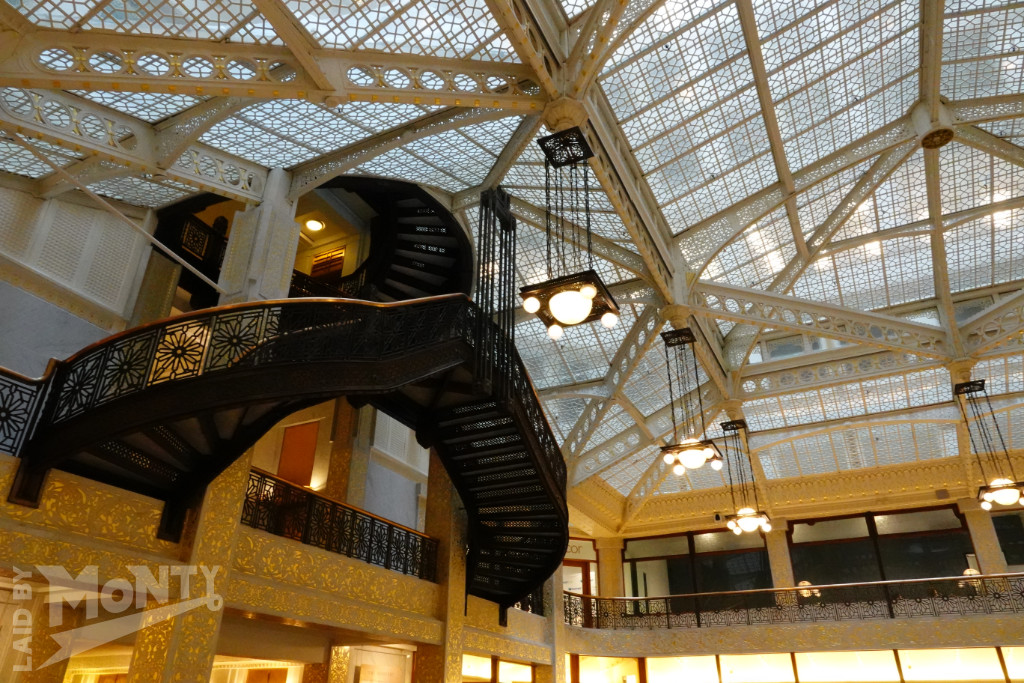
The Rookery Building in downtown Chicago has two famous names behind it. It was originally designed by John Wellborn Root and Daniel Burnham, the latter being the renowned architect of many buildings in Chicago, Union Station in Washington, D.C., the Flatiron Building in New York, and various department stores including Selfridges in London.
Then in 1905-07, the building was remodelled by none other than Frank Lloyd Wright! We also visited Wright’s home and studio in Oak Park, a suburb just west of Chicago, and took a walking tour of the surrounding neighbourhood that contains many other Wright houses. So I’ve really chosen this National Historic Landmark to represent all of Wright’s Chicago area work on this list, but it is a very beautiful building. Short guided tours are available, which I would highly recommend.
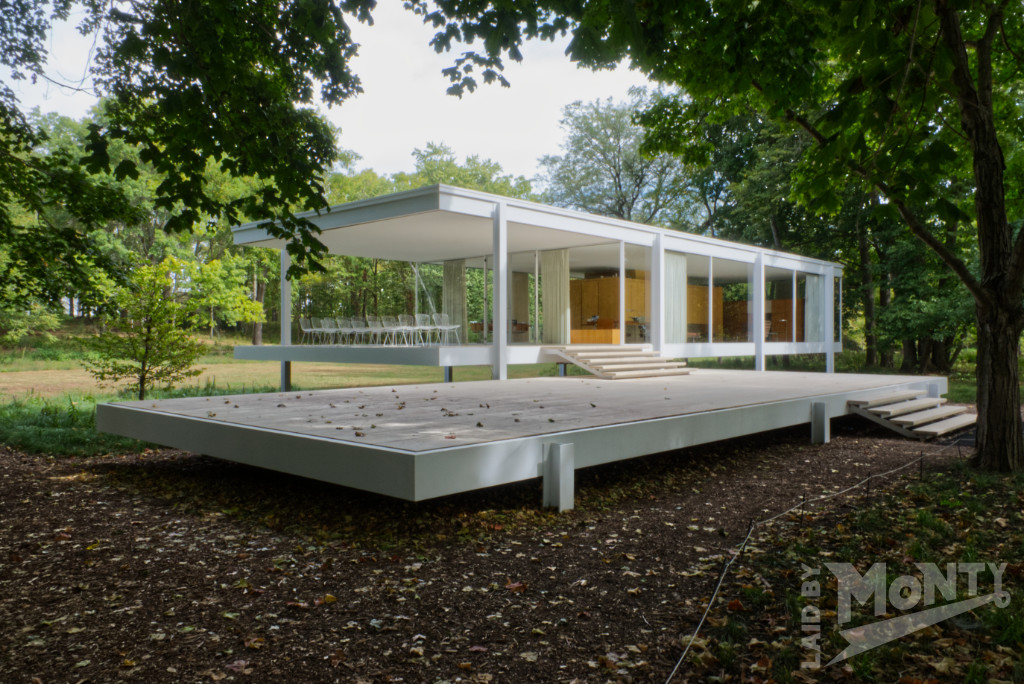
#5: Edith Farnsworth House in Plano, Illinois
Getting towards the top of the list now, and in fifth place is the world-renowned Edith Farnsworth House in Plano, Illinois. This National Historic Landmark was designed by Ludwig Mies van der Rohe as a weekend home for physician Edith Farnsworth, and built in 1949-51. It was very familiar to me from photos, but different to experience it in context, next to the Fox River. Farnsworth fought but failed to prevent the Fox River Bridge being built less than 100 metres from the house, and the noise is a noticable intrustion on the otherwise tranquil setting.
The estate today is owned and maintained by the National Trust for Historic Preservation, which runs excellent tours.
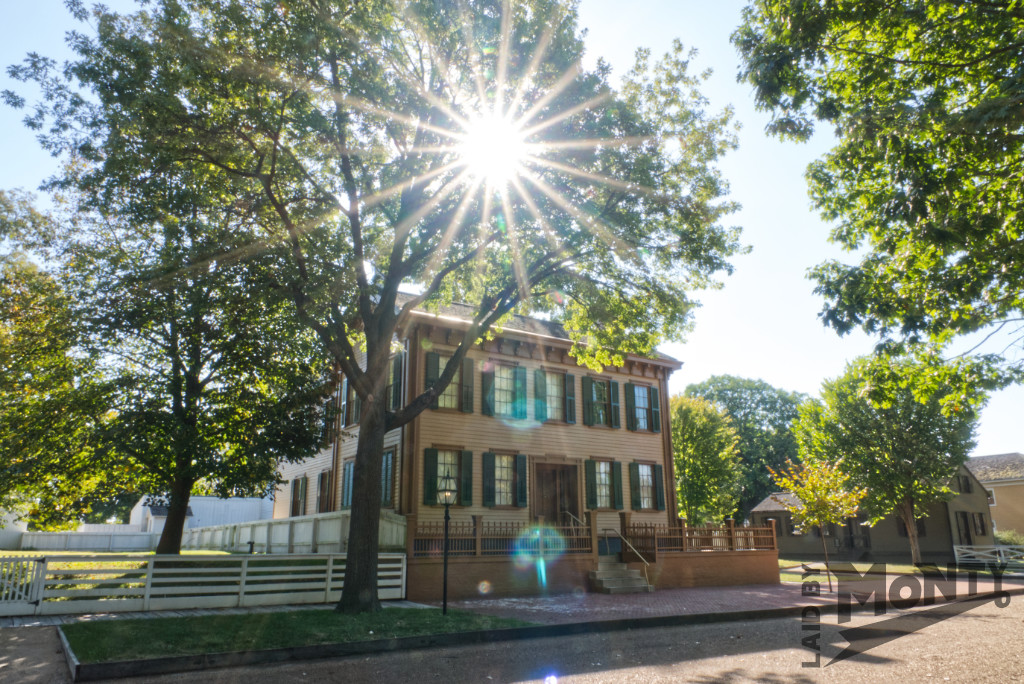
#4: Lincoln Home, Springfield, Illinois
The Lincoln Home National Historic Site in Springfield, Illinois, centres around the Built 1839 and bought by Abraham Lincoln in 1844. It was the only house he ever owned and from where he left for Washington D.C. to become president.
I absolutely loved Springfield with Abraham Lincoln statues and history everywhere. We visited the Old State Capitol, where his body lay in state, and his tomb.
In 1861, Lincoln said of Springfield: “To this place, and the kindness of these people, I owe everything.”
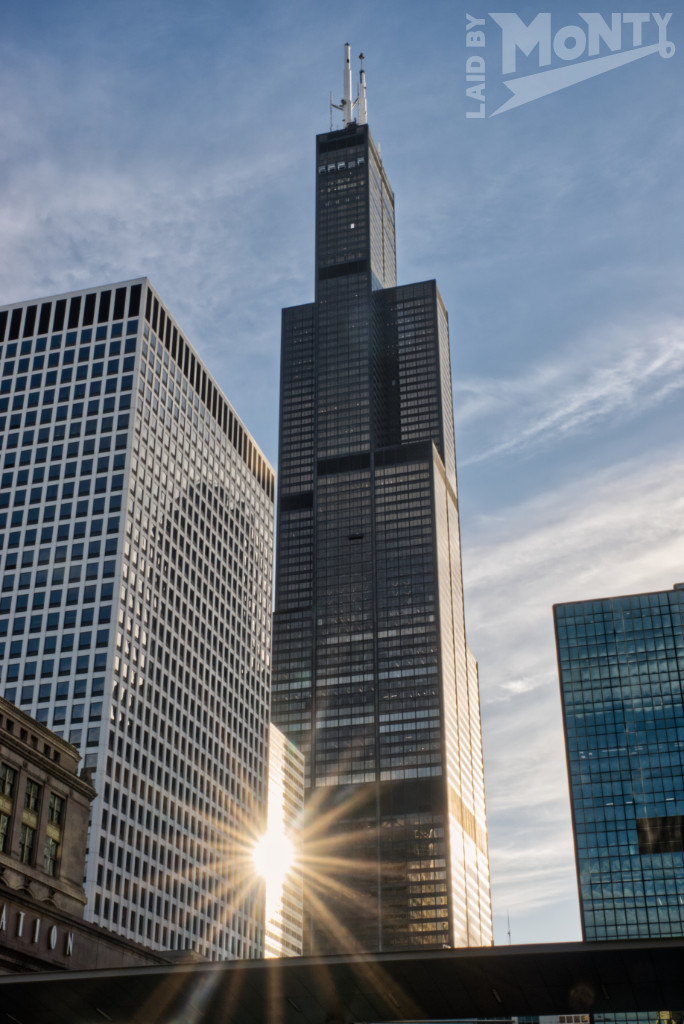
#3: Willis Tower, Chicago
Willis Tower (former Sears Tower), Chicago had been the world’s tallest building for eight years when I was born, and would remain so for another 17 years, so this was an absolute must-see on my first visit to Chicago… even if it did seem rather short compared to the Burj Khalifa! I stepped out onto one of the “Ledge” glass platforms. I hate being near cliff edges, but a glass floor 400 metres above the street is no problem!
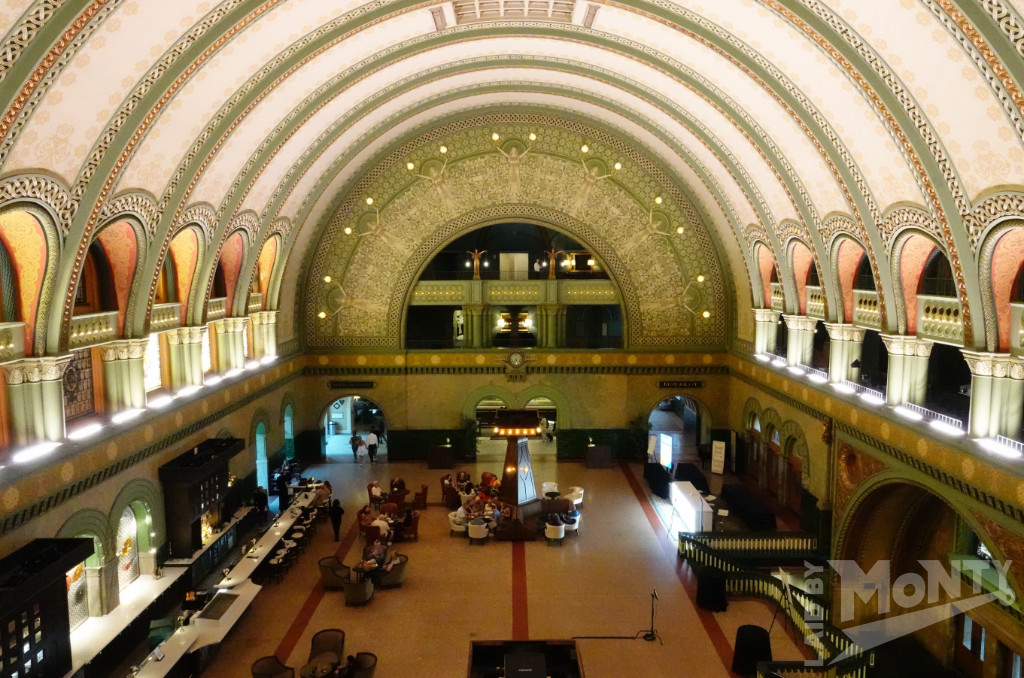
#2: Union Station Hotel, St. Louis
In second place is St. Louis Union Station Hotel in St. Louis, Missouri, where we stayed one night. Built 1892-94, it was the largest railway station in the world upon completion. It closed in 1978 and was redeveloped as a hotel and entertainment venue. Cocktails and a nightly light show can be enjoyed in the Great Hall, which is simply stunning. Naturally, it’s a National Historic Landmark.
#1: Gateway Arch, St. Louis
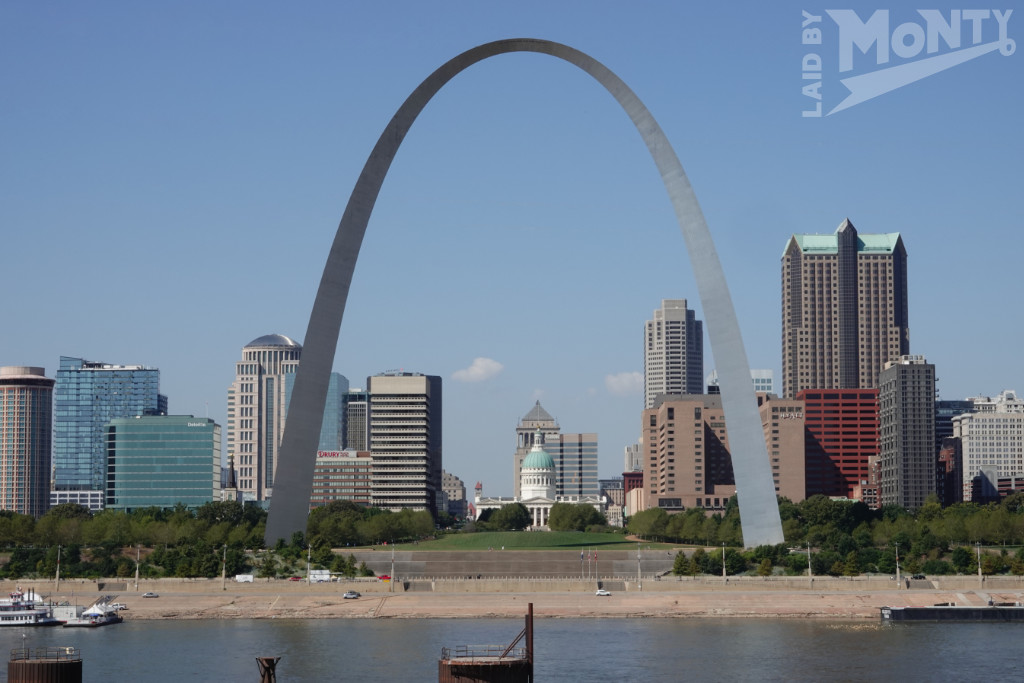
St. Louis takes the two top spots in my list. First place has to be the Gateway Arch; instantly recognisable but somewhere I never really imagined I’d see before we planned this trip. The photo is from across the Mississippi in Illinois but we did take the ingenious little tram lift to the top of the arch. Fortunately there were just two of us in the small, windowless pod; it would feel very claustrophibic if full.
The arch was built in 1963-65, having been designed by Eero Saarinen, the architect of the brilliant former TWA Flight Center (now TWA Hotel where I stayed a night several years ago) at JFK Airport in New York. And of course it’s another National Historic Landmark.


Leave a Reply